Laptop Assets: Organized Device Management
Optimize Your ROI: The Definitive Guide to Laptop Asset Recovery
Notebook asset recovery represents an essential strategy for businesses seeking to enhance their overall return on investment. This process entails a structured method for overseeing end-of-life devices, striking a balance between value recovery and data security and environmental responsibility. Grasping the complexities of this process may substantially affect organizational efficiency. Nevertheless, many companies miss essential steps that might strengthen their reclamation initiatives. What exactly are these steps, and how can they ensure maximum value from their old laptops?
Understanding Laptop Asset Recovery: Why It Matters
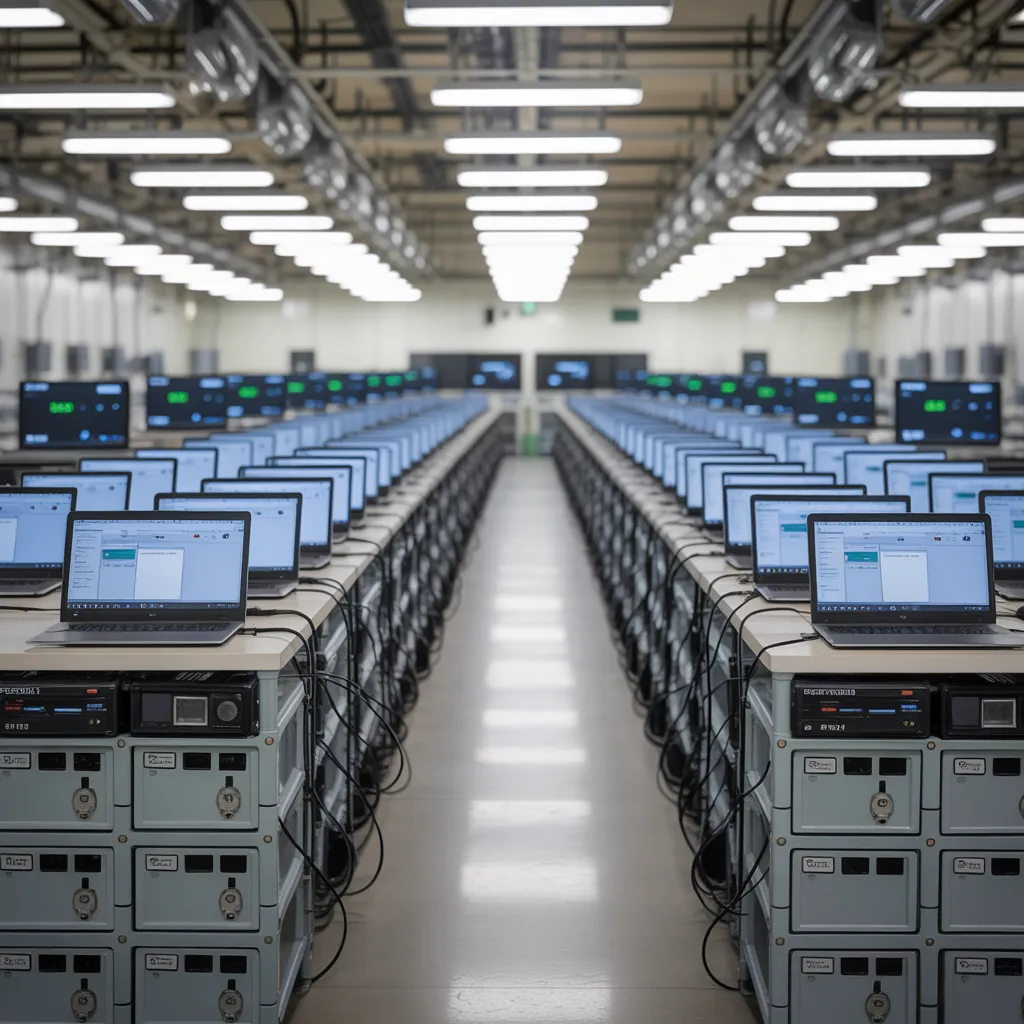
Grasping laptop asset recovery is vital for enterprises striving to enhance the returns on their technology expenditures. This systematic approach includes the systematic handling of obsolete or unused laptops to reclaim value, decrease waste, and guarantee the security of sensitive data. By strategically deploying laptop recovery strategies, companies can minimize potential losses associated with declining technology assets.
The importance of laptop asset recovery goes beyond monetary benefits; it also involves environmental stewardship. Proper recycling and refurbishment practices help reduce electronic waste, contributing to sustainable business operations. Moreover, companies can strengthen their standing by showcasing dedication to environmental responsibility and responsible resource management.
Additionally, asset recovery is capable of streamlining inventory management, permitting organizations to track and manage their technology assets with greater efficiency. Taken together, understanding the importance of laptop asset recovery equips organizations with the knowledge to make informed decisions about their technology lifecycle, guaranteeing they maximize returns while fostering a responsible approach to asset management.
Find Out What Your Old Laptops Are Worth
In what ways can organizations precisely assess the worth of their outdated laptops? In order to determine the value of aging equipment, organizations need to take into account a number of important factors. To begin with, the age and overall condition of the laptops serve as a crucial factor; newer models in good condition typically fetch higher prices. Technical specifications, including processor speed, RAM, and storage capacity, also have a major impact on value.
Furthermore, market demand for certain brands and models can shift, influencing the potential for resale. Businesses should research prevailing market trends and compare similar listings on resale marketplaces to determine competitive pricing.
It is equally important to examine any pre-installed software and warranties that may enhance the device's value. In addition, companies can explore expert appraisal services to obtain a more precise valuation. By methodically reviewing these components, businesses can reliably assess the value of their outdated laptops, ensuring maximum return on investment during the asset recovery process.
Proven Methods to Sell or Recycle Your Old Laptops
Companies can discover a number of proven methods to dispose of or resell their old laptops efficiently. A widely used method is leveraging online marketplaces, such as eBay or Amazon, where they can connect with a large audience. An additional approach involves partnering with specialized resellers who specialize in refurbished electronics, offering a efficient process for managing multiple units at once.
Moreover, companies can explore trade-in options facilitated by vendors, which frequently offer savings on new purchases. For eco-friendly businesses, disposing of equipment through certified electronic waste programs secures responsible disposal while adhering to regulatory requirements.
Nearby nonprofits and educational institutions are often willing to accept contributions, offering a valuable tax benefit while supporting local community growth. Additionally, organizing a device buyback program can attract interest and facilitate bulk sales. Through the use of these strategies, companies can optimize the financial return on their aging laptops while promoting sustainability.
Essential Factors for Selecting an Asset Recovery Partner
When choosing an asset recovery specialist, expertise and industry experience are critical elements that can greatly influence results. Additionally, compliance with regulatory standards and robust data security measures are critical to secure sensitive information during the data recovery process. Assessing these factors establishes a trustworthy and efficient partnership.
Professional Industry Experience and Knowledge
Selecting a partner for asset recovery copyrights greatly on their level of experience and expertise. An experienced partner has an in-depth knowledge of market trends, which can optimize the recovery process and increase financial returns. Their expertise regarding various laptop models and their residual values facilitates accurate assessments and optimal resale strategies. Moreover, experienced partners often have established relationships with potential buyers, supporting more efficient transactions and competitive pricing. They may also have expertise in refurbishing techniques, making certain that devices are restored to market-ready condition. Ultimately, choosing a partner with extensive industry experience and expertise can significantly influence an organization's overall ROI, establishing it as a key consideration in the decision-making process for asset recovery.
Security Compliance and Data Protection
In a period where data breaches are becoming more frequent, compliance and data security are essential for any asset recovery partner. Businesses should seek partners that comply with relevant regulations, such as GDPR and HIPAA, to secure private information during the recovery process. A reputable partner should have comprehensive data destruction protocols, ensuring that all data is completely erased from devices before resale or disposal. Additionally, certifications such as NAID AAA and R2 reflect adherence to high standards in data security and environmental responsibility. By partnering with an asset recovery partner that prioritizes compliance and data security, businesses can minimize exposure, safeguard their brand image, and maximize the return on investment from their retired laptop assets.
Enforce Data Security Steps Before Disposal
Before disposing of laptops, establishing strong data security protocols is critical to secure sensitive data. Companies must make the secure erasure of data on devices a top priority to avoid unauthorized access following disposal. This entails employing dedicated software that complies with industry benchmarks for data wiping, making certain that all stored data is completely and irreversibly removed.
Moreover, physical destruction of hard drives can be essential for critically sensitive information. Techniques such as shredding or degaussing ensure the data becomes unreadable, adding an additional layer of security. It is also essential to maintain detailed records of the disposal process, documenting the methods used and the personnel involved.
Training employees on the importance of data security during asset recovery can further enhance safeguards against potential breaches. By establishing comprehensive security protocols, organizations can mitigate risks associated with data exposure, consequently protecting their reputation and compliance with compliance standards.
Environmental Benefits of Laptop Asset Recovery
Laptop asset recovery delivers notable environmental benefits by minimizing the effects of e-waste. By reprocessing and renewing aging devices, this method protects precious natural resources and minimizes the need for new materials. Moreover, it supports eco-friendly practices that benefit our environment.
Reducing Electronic Waste Impact
With the rapid evolution of technology, the ecological consequences of electronic waste grows ever more critical. The recovery of laptop assets serves a vital function in mitigating this issue by reducing the volume of discarded electronics. When laptops are restored or repurposed, fewer devices are sent to disposal sites, where they can leach harmful substances into soil and water. Additionally, recovery initiatives often incorporate sustainable disposal practices, ensuring that dangerous substances are processed responsibly. By extending the lifecycle of laptops, businesses not only limit environmental waste but also support a greener tomorrow. This strategy not only promotes ecological well-being but also enhances corporate social responsibility, reflecting a devotion to environmentally responsible practices. At its core, comprehensive laptop asset recovery efforts considerably diminish the ecological burden of discarded electronics.
Safeguarding Natural Resources
The recycling of laptops greatly contributes to the conservation of natural resources. By reclaiming materials such as metals, plastics, and glass, the need for virgin materials is reduced, minimizing the environmental strain associated with mining and manufacturing. For instance, extracting metals like gold and copper from primary sources is resource-intensive, while reprocessing existing materials demands significantly less energy and water. Furthermore, laptop asset recovery reduces the carbon footprint linked to fabrication and logistics operations. By recycling and renewing devices, companies can prolong the lifespan of their technology, further conserving resources. This practice not only supports environmental health but also encourages a circular economy, supporting a responsible strategy for electronic consumption and waste management.
Encouraging Sustainable Practices
Considerable environmental benefits emerge from championing eco-friendly methods in laptop asset recovery. By reclaiming and refurbishing aging laptops, organizations can greatly minimize e-waste, which poses serious environmental hazards. This method reduces the need for virgin raw materials, consequently conserving natural resources and cutting greenhouse gas emissions associated with production. Furthermore, proper recycling of parts confirms toxic components are eliminated properly, stopping soil and water contamination. Sustainable practices also support a circular economy, where devices are continually repurposed, further extending their lifecycle. By implementing these approaches, companies not only strengthen their CSR commitments but also advance global environmental health, demonstrating that commercial success can align harmoniously with sustainable stewardship.
How to Assess Your Laptop Recovery ROI
How can businesses accurately evaluate the return on investment (ROI) from laptop asset recovery initiatives? essential resource To accurately measure ROI, organizations should first assess the complete costs involved in the asset recovery procedure, including shipping, restoration, and secure data removal. Next, they must evaluate the financial returns generated from reselling or repurposing the retrieved laptops. This involves tracking revenue from resale value and potential savings from reduced disposal costs.
Additionally, organizations can evaluate subjective improvements, such as elevated organizational standing through eco-conscious approaches and boosted workforce engagement from prudent asset administration. Examining these elements delivers a holistic assessment of the program's effectiveness.
In conclusion, implementing key performance indicators can help organizations measure ongoing progress, making certain that the laptop asset recovery process remains aligned with overall business objectives. Through the systematic assessment of both measurable and descriptive elements, businesses can make data-driven decisions with respect to their asset management strategies.
Common Questions and Answers
Which Laptop Types Qualify for Asset Recovery Programs?
Laptops suitable for asset recovery commonly span numerous brands and models, especially units that are in good working condition, outdated models with resale value, including damaged laptops that may be restored or broken down for their components.
How Much Time Does the Laptop Recovery Process Usually Take?
The process of recovering laptops generally requires between two to four weeks, depending on variables like how well the devices have been maintained, the number of laptops undergoing recovery, and the effectiveness of the recovery service employed.
Is It Possible to Recover Data From Non-Working Laptops?
Yes, it is frequently possible to recover data from faulty laptops. Experts employ cutting-edge tools and strategies to retrieve data from damaged drives, although outcomes differ according to the degree of harm sustained and the particular condition of the laptop.
What Certifications Should My Asset Recovery Partner Have?
A qualified asset recovery partner must have credentials including R2, e-Stewards, and ISO 14001. Such credentials ensure adherence to environmental guidelines, data security protocols, and responsible recycling practices, thus improving confidence and dependability in their offerings.
Are There Any Fees Associated With Laptop Asset Recovery Services?
Yes, these recovery services may involve a range of fees, including transportation, assessment, or processing fees. It's essential for businesses to confirm these charges with their recovery partner to eliminate surprise charges during the laptop recovery process.